
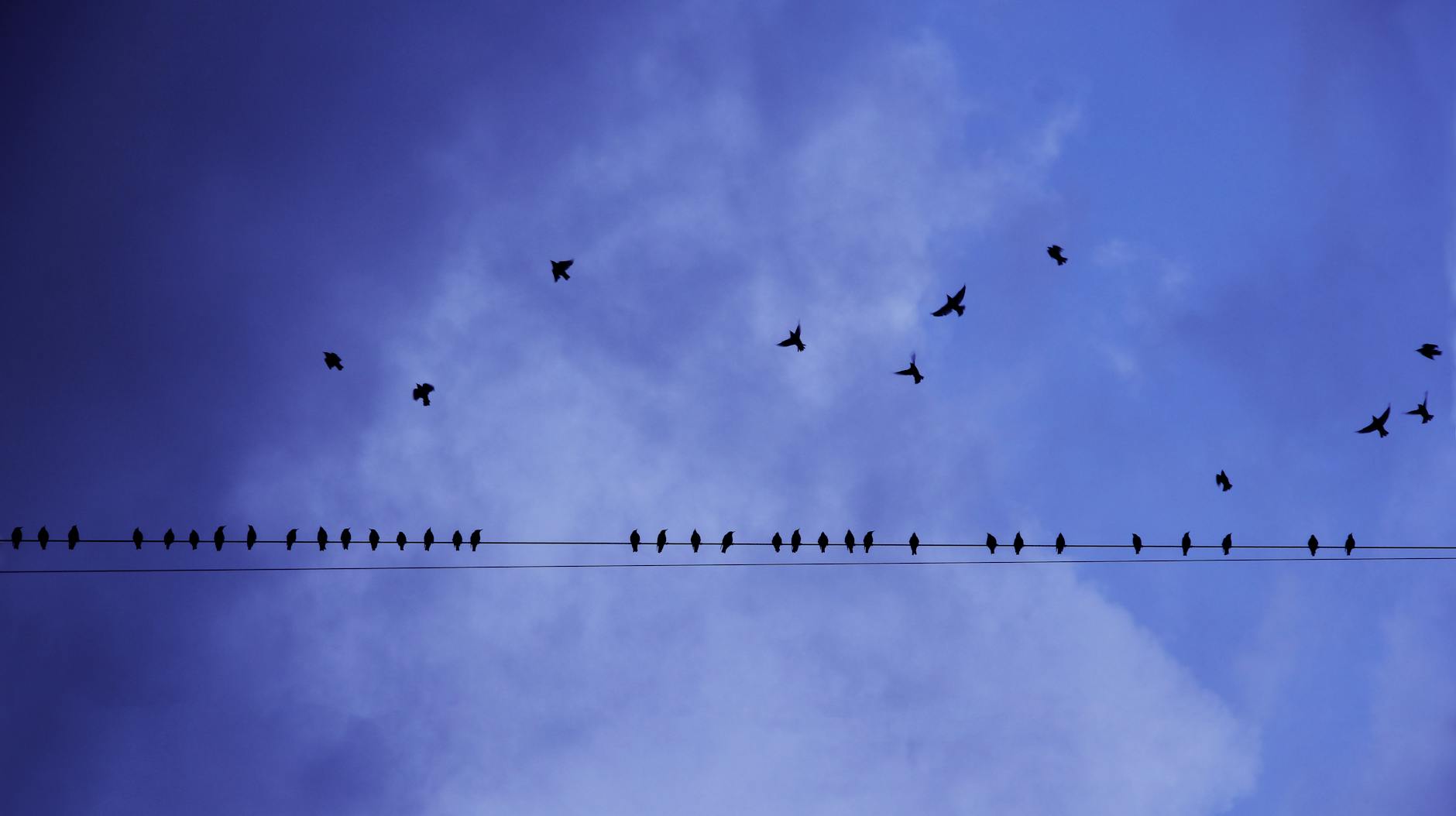
In this blogpost, Namrata analyses the journey of South Asian Literature post Independence and the meaning of true freedom.
Every August, South Asia is bathed in the colours of flags. There are parades, speeches, and a rush of nostalgia for 1947, the year two new nations emerged from the long shadow of colonial rule. But if you turn from the crowds and pick up the novels, poems, and memoirs written since, you discover another conversation about freedom: one that is quieter, more personal, and far from finished.
This is what I call the second freedom. The first was political sovereignty — the lowering of one flag and the raising of another. The second is the individual’s right to live without fear, to make choices without punishment, and to be seen in the fullness of one’s humanity.
And South Asian literature, perhaps more than any other art form, has documented both the hope of this second freedom and the struggles to realise it.
Journey of South Asian Literature

The first wave: Independence in ink (late 1940s–1960s)
In the first two decades after 1947, writers grappled directly with the Partition and the nation’s birth pangs. The idea of freedom was everywhere, but so was grief. Saadat Hasan Manto’s Toba Tek Singh and Khol Do reminded readers that the new borders did not automatically deliver safety, dignity, or peace. Ismat Chughtai, in stories like Lihaaf, challenged the idea that “national progress” could be measured while women’s lives remained bound by silence.

In India, Khushwant Singh’s Train to Pakistan wove political upheaval with personal tragedy, showing how ordinary people bore the costs of history. Qurratulain Hyder’s Aag Ka Darya (River of Fire) traced the subcontinent’s history across centuries, but also interrogated whether the independence moment was the culmination of freedom or just another chapter in a long, uneven struggle for identity.
What’s striking in this first wave is how often the “freedom” of the nation is contrasted with the lack of freedom for individuals, particularly women and marginalised communities. While the colonial ruler was gone, patriarchy, caste hierarchy, and economic inequities remained intact.
Freedom on the page is rarely static. It is rewritten by every generation that dares to speak
The slow widening of the lens (1970s–1980s)
By the 1970s, literature began exploring lives outside the urban, middle-class nationalist narrative. Mahasweta Devi’s Hajar Churashir Ma looked at a mother confronting political violence, but it also examined the generational divide between those who fought for independence and those born into it. Her works on tribal and marginalised communities, like Draupadi, tore open the idea that post-independence India had delivered justice to all.

In Pakistan, Bapsi Sidhwa’s The Bride and Ice-Candy Man revisited Partition but with a sharper focus on women’s survival and agency. Amar Jaleel, in his Sindhi short stories, often questioned whether freedom for the Sindhi people meant anything beyond slogans.
In this period, the literary definition of freedom expanded. It was no longer just a political or geographic fact, but a lived condition that could vary drastically depending on gender, caste, religion, or class.
The rise of personal freedoms in literature (1990s–2000s)

Economic liberalisation in India, and shifts in global South Asian diasporic writing, brought new subjects into fiction. Writers like Arundhati Roy (The God of Small Things) tied personal liberation to resistance against oppressive social structures. The character of Ammu is unforgettable precisely because her constraints are intimate, domestic, and invisible in political speeches, yet breaking them feels as radical as any act of civil disobedience.
In Pakistan, Kamila Shamsie’s early works like Salt and Saffron began placing women in roles beyond the moral conscience of the family; they were historians, travellers, intellectuals — narrators of their own freedom. Monica Ali’s Brick Lane explored the migrant experience, showing that post-independence freedom could be complicated by new forms of economic and cultural dependence.
“To read across decades of South Asian writing is to witness freedom shifting shape before your eyes.
This era also saw the rise of Dalit autobiographies like Om Prakash Valmiki’s Joothan and Bama’s Karukku, where freedom meant not only political voice but the dismantling of centuries-old caste oppression. These works shifted the frame from the capital cities and political rallies to the villages, the kitchens, the factories — the spaces where real freedoms were won or lost every day.
The contemporary landscape: Freedom as multiplicity (2010s–present)
Today’s South Asian literature offers a rich, if uneven, map of freedoms.
- For women: Meena Kandasamy’s When I Hit You treats survival from domestic abuse as an act of political resistance. Annie Zaidi’s Prelude to a Riot gives women interiority beyond the roles imposed by communal politics. And Andaleeb Wajid’s YA novels centre Muslim teenage girls who are witty, flawed, ambitious — a far cry from the ornamental heroines of earlier decades.
- For queer communities: Samra Habib’s memoir We Have Always Been Here turns self-definition into a form of liberation. Saad Z. Hossain’s speculative fiction (Djinn City) disrupts gender roles and allows women characters to inhabit spaces of power and danger.
- For marginalised castes: Yashica Dutt’s Coming Out as Dalit blends memoir with social critique, showing how claiming caste identity openly can be a deeply freeing act — but also a dangerous one.
- For the working class: Perumal Murugan’s Poonachi embeds questions of freedom and oppression in the deceptively simple story of a goat, using allegory to comment on human hierarchies.
This breadth of representation marks real growth since 1947. Female characters are no longer automatically symbols of sacrifice; Dalit voices are not mediated through upper-caste narrators; queer lives are not always tragic footnotes.
The act of writing, in much of South Asia, remains an act of courage.
And yet, the lack remains. Commercial romance often still reduces women to idealised tropes. Popular thrillers still treat female bodies as either decorative or expendable. The second freedom remains unevenly distributed on the bookshelf.
Recommended Reads: Publishing Trends 2025
What’s changed since 1947 and what hasn’t
Gains:
- Greater diversity of authorship — more women, Dalit, queer, and regional-language writers breaking into mainstream publishing.
- Wider thematic range — from Partition and rural poverty to migrant life, urban loneliness, and climate crisis.
- More complex women characters — messy, ambitious, contradictory.
Gaps:
- Mainstream publishing still dominated by English and upper/middle-class voices.
- Popular fiction often recycling patriarchal tropes.
- Marginalised characters still underrepresented in genres like sci-fi, fantasy, and historical fiction.
Representation is not just about numbers. It’s about the gaze. Whether characters are allowed to be whole people with agency, flaws, and contradictions. In 1947, a woman in fiction might have been the nation’s moral conscience, the keeper of tradition. In 2025, she can be a poet, an astronaut, a stand-up comic, but too often, she is still written through the lens of what she means to someone else.
Independence and the inheritance of possibility

For young readers, these changes are more than literary fashion. They shape how the next generation imagines itself. A teenage girl reading Krishna Sobti in the 1960s might have seen rebellion as a lonely act. A teenage girl reading Tania James’s Loot today can see ambition, self-interest, and complexity as natural parts of her story.
A nation’s liberation can be charted not only in maps and treaties, but in the small rebellions of its characters.
This is why the second freedom matters. If the first freedom gave us new passports, the second gives us new blueprints for living. It’s an inheritance that grows every time a story lets its characters be more than symbols.

A bookshelf of the second freedom
- Mitro Marjani — Krishna Sobti: A woman refusing to be shamed into silence.
- Joothan — Om Prakash Valmiki: Freedom from caste humiliation.
- When I Hit You — Meena Kandasamy: Survival as resistance.
- We Have Always Been Here — Samra Habib: Queer Muslim self-definition.
- Kartography — Kamila Shamsie: Female friendships as spaces of loyalty and conflict.
- Coming Out as Dalit — Yashica Dutt: Naming identity as liberation.
- Karukku — Bama: A nun confronting caste and faith.
The unfinished story about Independence
The first freedom was about the borders on a map. The second freedom is about the borders inside our lives, the ones drawn by tradition, prejudice, and silence. South Asian Literature since 1947 has shown both the growth and the gaps, the victories and the stubborn limits.
And perhaps this is the truest gift of South Asian Literature over the past 78 years: it has kept the conversation alive. Every time a character steps out of the role assigned to them, whether it’s Ammu in The God of Small Things or Mitro in Sobti’s novel, the second freedom inches closer.
The story of independence is not just about the day it was declared. It’s about the countless, unrecorded moments when someone, somewhere, decided to live as if they were already free.

Leave a Reply