
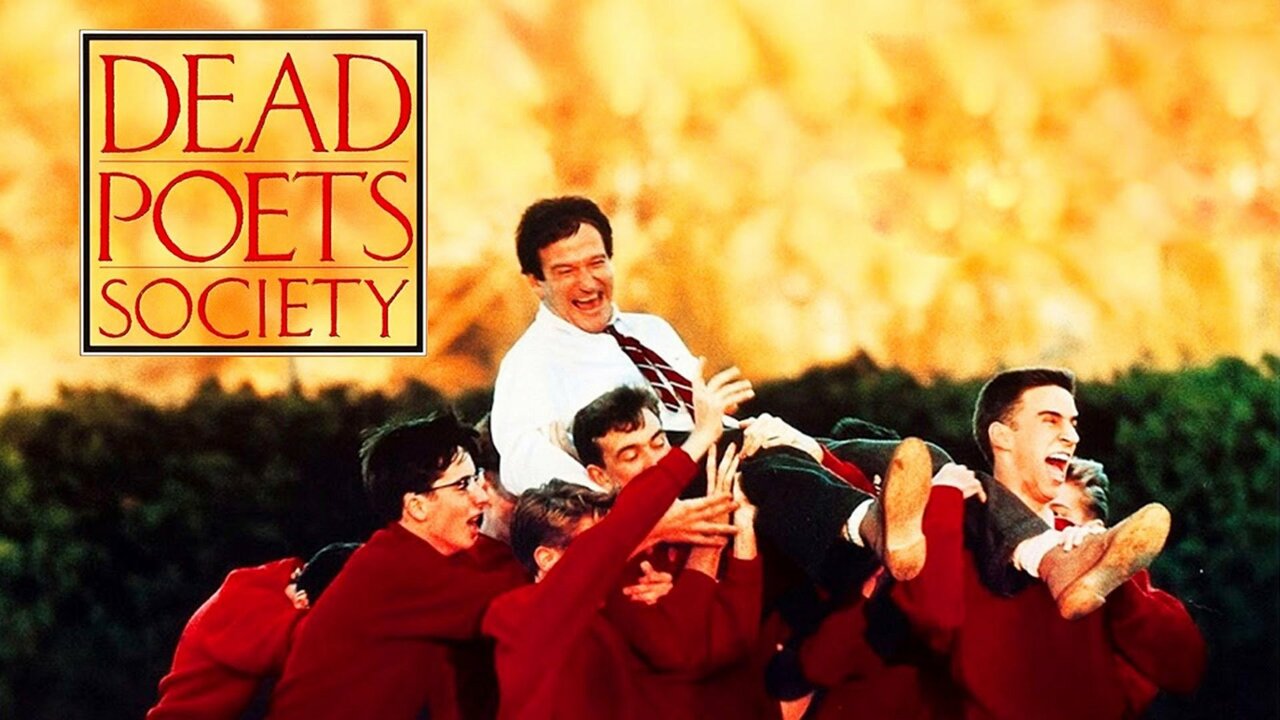
Namrata shares a cultural reflection on the absence of writer-centric stories in Indian cinema and what it means for Indian authors today.
When Dead Poets Society released, it made poetry feel electric. It made literature feel like rebellion. It made young people believe that writing was urgent.
And that raises a compelling question:
Why hasn’t Indian cinema made its own Dead Poets Society for Indian writers?
In a country with layered literary traditions, a thriving publishing ecosystem, and a growing appetite for storytelling, the contemporary Indian writer remains strangely invisible on screen.
The Curious Absence of the Indian Writer

Indian cinema has adapted countless novels. It has turned literary classics into commercial successes. It has told stories about journalists, filmmakers, musicians, and artists.
But where are the films about:
- The Hindi novelist navigating an English-dominated publishing ecosystem?
- The regional-language poet building an audience online?
- The debut author waiting anxiously for their first royalty statement?
- The mid-career writer confronting obscurity?
- The teacher who ignites a classroom through contemporary Indian poetry?
We have films inspired by literature. We have biopics of canonical authors. But we do not have a defining film about the living, breathing, struggling Indian writer today.
Recommended Read: Chapter to Cinema
There is no Indian equivalent of a classroom where students discover Dushyant Kumar or Amrita Pritam and feel the ground shift beneath them. There is no mainstream portrayal of what it means to draft, revise, doubt, edit, and persist in the Indian publishing industry. And that gap is cultural.
The Rise of the Author as Celebrity and the Illusion That Followed
We did witness something significant in the early 2000s. We saw Chetan Bhagat grow leaps and bounds as a bestselling author. He wasn’t cloistered in academia. He wasn’t positioned as a distant literary figure. He was visible, media-savvy, commercial and wildly successful. His rise made writing look accessible. Attainable. Even glamorous.

And what followed was an entire generation that grew up romanticising writing as a profession. Suddenly, being an author felt aspirational. Book launches were photographed. Film deals followed. Publishing felt like a gateway to cultural relevance. But the truth of writing, the interior truth, is far from glamorous.
Today, some argue that India has more writers than readers. Debatable, perhaps. But what is undeniable is that many aspire to publish without fully understanding what it means to write.
To carry an untold story within you for years. To feel restless until it finds form. To draft and redraft in isolation. To be rejected repeatedly. To question your own voice. To feel dejected, invisible, lost. And yet, to continue.
Because writing, at its core, is not about visibility. It is about necessity.
The Writer as Struggler, Not Just Success Story

Cinema often skips this part. It celebrates the bestseller. The prize-winner. The icon. But it rarely shows the years before recognition. The emotional and financial precarity. The cultural resistance.
Consider someone like Saadat Hasan Manto, prosecuted for obscenity, financially unstable, deeply misunderstood in his lifetime. He wrote through rejection and censorship, not applause. Today, he is remembered as a master storyteller.
That arc with its obscurity to reverence is cinematic. It is dramatic. It is human. Yet Indian cinema rarely centres that journey for contemporary writers. Dead Poets Society explores a certain vulnerability that artists can feel and relate to.
There is no sustained portrayal of the novelist battling edits and market pressure. No film that lingers on the loneliness of drafting. No mainstream story that explores what it means to choose writing over stability in modern India.
Why Is the Indian Writer Missing on Screen?
Part of the answer may lie in how writing is culturally perceived. In India, writing is still often seen as:
- A side pursuit.
- A moral or intellectual identity.
- A romantic calling.
But not always as an industry with economics, politics, and psychological cost. The ever-prevailing truth not withstanding – Writing does not pay that much!
The Indian publishing industry has grown dramatically. Regional languages are reclaiming readership. Literary festivals draw massive crowds. Adaptations dominate OTT platforms. The ecosystem is real. But the labour of writing remains invisible.
We see the book. We do not see the writer becoming the book.
The labour of writing remains largely invisible. The negotiations, editorial processes, marketing strategies, translation politics, and distribution challenges rarely enter popular imagination.
Yet the Indian publishing industry is growing. Indian writers are winning international prizes. Regional language fiction is finding new readership. OTT platforms are mining books for adaptation.
The industry exists. The stories exist. The cinematic attention does not.
What Would a Dead Poets Society in India Look Like?
Dead Poets Society worked because it showed transformation through language. It dramatized how literature changes young minds. It made poetry aspirational.
What would a Dead Poets Society in India look like? Perhaps it would be set in a small-town college where a professor introduces students to contemporary Indian poetry instead of only the colonial canon. Perhaps it would follow a young writer in Delhi or Patna trying to publish in Hindi, Bangla, Tamil, or Malayalam while negotiating market pressures.
If India were to create its own version of a writer-centric cultural moment, it would not simply imitate a classroom of rebellious students.
It might:
- Follow a Hindi novelist navigating English-dominated publishing.
- Centre a regional poet building community in a small town.
- Portray a writing collective grappling with censorship.
- Show a debut author waiting for an advance that barely covers rent.
- Depict a teacher who introduces contemporary Indian poetry instead of colonial canon.
Or, perhaps it would show:
- The creative paralysis before a manuscript deadline.
- The tension between writing for awards and writing for readers.
- The struggle between English-language prestige and regional-language authenticity.
- The loneliness of writing in a rented apartment while peers pursue stable careers.
It would not romanticise writing as easy. It would show the suffering and the stubbornness. The untold story pressing against the ribs. The rejection emails. The self-doubt. And the quiet, almost irrational belief that the work matters. Indian writers know these tensions intimately. But cinema has not yet given them a mirror.
Why This Gap Matters for Indian Writers
Stories shape legitimacy. When musicians are centered in cinema, music feels aspirational. When entrepreneurs are celebrated, startups feel heroic. When lawyers dominate courtroom dramas, the profession gains mystique.
But when writers are absent, writing remains abstract.
For many young Indian writers, the only visible narrative is either:
- The tragic, romanticized poet of older cinema, or
- The distant, already-famous literary figure.
There is very little portrayal of the working writer, the one who drafts, deletes, rewrites, sends queries, attends book launches, teaches workshops, negotiates advances, and builds readership slowly.
Representation does not just validate identity. It expands possibility.
A generation that sees writers on screen as complex, ambitious, flawed, striving individuals may begin to imagine writing not as a hobby, but as a serious, viable path.
For many young Indian writers today, the visible narrative is either the meteoric bestseller or the posthumously celebrated genius. There is very little representation of the working writer in between the one who struggles, persists, and builds slowly. And that absence shapes perception.
It can lead to romanticisation without resilience. Ambition without preparation. Desire without understanding the craft. But perhaps the next cultural shift will come not from cinema first but from writers themselves.
The Story is Waiting
The absence of a Dead Poets Society in India is not a failure. It may be a delay.
The Indian writing ecosystem is at a turning point:
- Regional languages are reclaiming readership.
- Young writers are building communities online.
- Literary festivals have mainstream visibility.
- Adaptations are increasing across OTT platforms.
What’s missing is a story that turns inward, toward the writer. Not as a source of content. But as a protagonist.Maybe the Indian Dead Poets Society is not a classroom at all. Maybe it is a film about a writing group in Bhopal. Or a poet in Guwahati. Or a novelist in Mumbai refusing to abandon their mother tongue.
Maybe it is multilingual. Messy. Unpolished. Honest. Maybe it will show that writing is relentless and not glamorous. And perhaps that is precisely why it hasn’t been made yet. Because to portray a writer truthfully is to portray discomfort, doubt, ego, ambition, failure, and faith, all at once.
Indian writers already know this reality. They write through invisibility. Through rejection. Through financial uncertainty. Through cultural hesitation. And still, they write.
When that story finally reaches the screen, it will not be fiction. It will be recognition.
At Keemiya Creatives, we work with writers, publishing professionals, and literary brands who are navigating this very ecosystem — shaping stories, refining voice, and building long-term visibility in the Indian writing industry. If you are building your path as an Indian writer today, the right narrative foundation matters more than ever.

Leave a Reply