
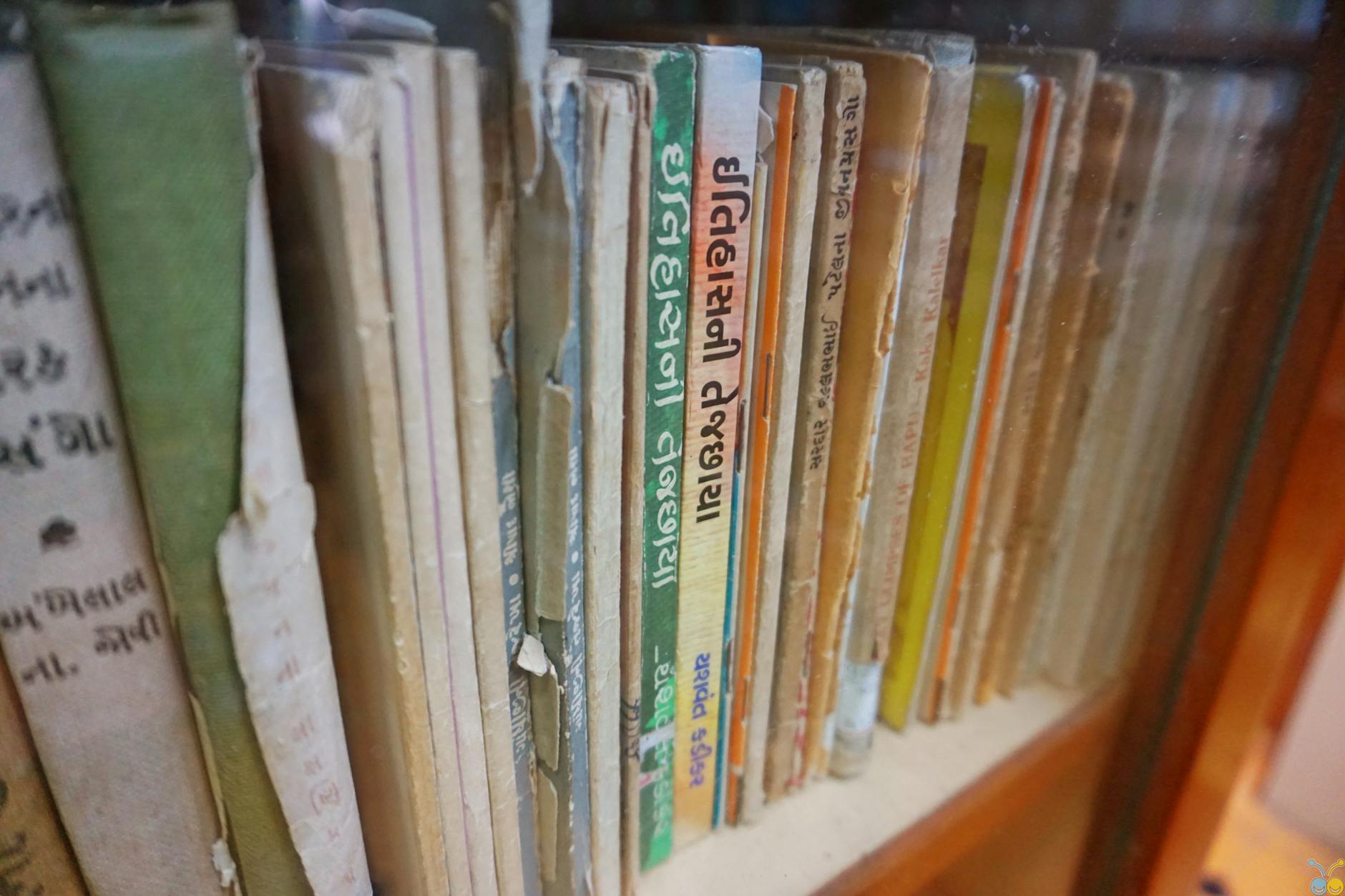
In this blogpost, we explore the regional literature in India, its challenges and how we can make it popular.
India is not short of stories, never was and never will be.
Across Indian languages like Hindi, Tamil, Bengali, Malayalam, Marathi, Kannada, Assamese, Urdu, Odia, and many more, there exists a vast, layered, deeply rooted literary tradition. Every region carries its own narrative rhythm, cultural memory, and storytelling voice. And within these languages are writers producing work that is sharp, political, intimate, experimental, and often far more grounded than what dominates mainstream English-language publishing.
And yet, a persistent question remains:
Why are so many of these writers still waiting to be discovered — not just globally, but even nationally?
The issue is not quality. It is visibility.
The Paradox of Regional Literature in India

Regional literature in India exists in abundance, but not always in circulation. A powerful novel written in Malayalam may never reach a Hindi reader. A celebrated Bengali short story writer may remain unknown to an English-speaking audience. A Marathi memoir might resonate deeply within its linguistic community but never travel beyond it.
This is not because readers are unwilling. It is because the systems like translation, distribution, digital access, and marketing that enable discovery are still uneven. There is a gap between creation and circulation. And that gap is where many important voices get lost.
Why Does This Gap Exist?
1. Translation Is Still Limited (and Uneven)
Translation is often seen as the bridge between regional literature in India and wider readership. But in India, translation remains inconsistent in both volume and visibility.
Not all books get translated. Not all translations are well-funded. And even when they are published, they may not receive the same marketing push as English originals.
More importantly, translation is linguistic and cultural. A good translation requires sensitivity to context, tone, and nuance. That level of work takes time, expertise, and investment. Without it, even strong writing struggles to travel.
2. Distribution and Discoverability Challenges
Even when regional books are available, they are not always easy to find. Physical bookstores often prioritise English-language titles or commercially popular works. Regional sections, where they exist, are often limited in scale.
Online platforms have improved access, but discoverability remains an issue. Algorithms tend to favour already popular titles, which means regional literature in India often struggle to surface unless actively searched for.
For many readers, the problem is simple: they don’t know what to look for.
3. Digital Barriers — Including Platform Limitations
One of the less discussed but significant challenges is digital infrastructure.
Platforms like Amazon Kindle have transformed reading habits globally. But their support for Indian languages has historically been inconsistent, whether in terms of typography, discoverability, or user experience.
While some progress has been made, many regional-language readers still prefer physical books or alternative reading apps because the experience on mainstream platforms is not always seamless.
This limits reach, especially among younger, digital-first readers who rely on e-books and mobile reading. In a country where smartphone penetration is high, this gap matters.
4. Language Hierarchies and Perception
There is also a cultural layer to this issue. English continues to dominate aspirational and urban reading spaces in India. Books written in English often receive more media attention, festival visibility, and national coverage.
Regional literature in India, on the other hand, is sometimes viewed as local rather than literary in a broader sense, which is both inaccurate and limiting. This perception affects how books are marketed, reviewed, and discussed. More than language, it is about visibility, prestige, and narrative framing.
Recommended Reads: Indian Publishing
What Readers Can Do to Support Regional Literature

Change does not come only from publishers or platforms. Readers play a crucial role. Here’s how support can become more intentional:
1. Read Beyond English
Actively seek out translated works or original regional-language books if you are comfortable reading them. Even one book a month outside your usual language ecosystem can expand literary exposure.
2. Follow Regional Publishers and Translators
Many independent publishers specialise in translations and regional literature in India. Following them helps you stay updated on new releases that may not appear in mainstream recommendations.
3. Talk About What You Read
Word-of-mouth remains one of the most powerful tools in publishing. Sharing, recommending, and discussing regional books (online or offline)increases their visibility organically.
4. Support Bookstores That Stock Regional Titles
Independent bookstores that curate regional literature in India rely on reader support. Buying from them helps sustain the ecosystem.
Recommended Reads: Reading Trends in India
What Needs to Change at an Industry Level
While reader support is important, structural shifts are equally necessary.
- Stronger Translation Ecosystems: More funding, training, and recognition for translators can significantly improve the quality and quantity of translated works. Translation must be seen as a creative discipline, not a secondary function.
- Better Digital Integration: Platforms like Amazon and others need to invest more deeply in Indian-language reading experiences with better fonts, improved searchability, curated recommendations, and stronger regional catalogues. Digital reading cannot remain English-first in a multilingual country.
- Marketing and Positioning : Regional books must be positioned as part of the national literary conversation, not confined to niche segments.
This includes:
- Media coverage
- Festival representation
- Review spaces
- Digital campaigns
Visibility shapes readership.
- Cross-Language Collaboration: Writers, translators, and publishers across languages can collaborate more actively, through anthologies, shared platforms, and co-promotions. The goal is not to homogenise voices, but to amplify them across boundaries.
Future Trends: Where Is This Headed?

There are reasons for optimism.
- Younger readers are increasingly open to translated literature.
- Independent publishers are investing more in regional voices.
- Literary festivals are slowly diversifying their programming.
- Audio platforms are bringing regional storytelling to new audiences.
We are also seeing the rise of writers who move between languages — writing in one, translating in another, or collaborating across linguistic spaces. The next decade of Indian publishing may not be defined by a single dominant language, but by a network of interconnected ones.
Regional literature in India does not lack talent. It lacks systems that allow that talent to travel. The stories are layered, urgent, and deeply rooted in place. What remains is the work of circulation: translating, publishing, distributing, recommending, and reading across boundaries.
Because when a reader in Delhi discovers a writer from Kerala, or a reader in Mumbai connects with a voice from Assam, something important shifts. Literature becomes less about language silos and more about shared experience. And perhaps that is the future worth working toward.

Leave a Reply