
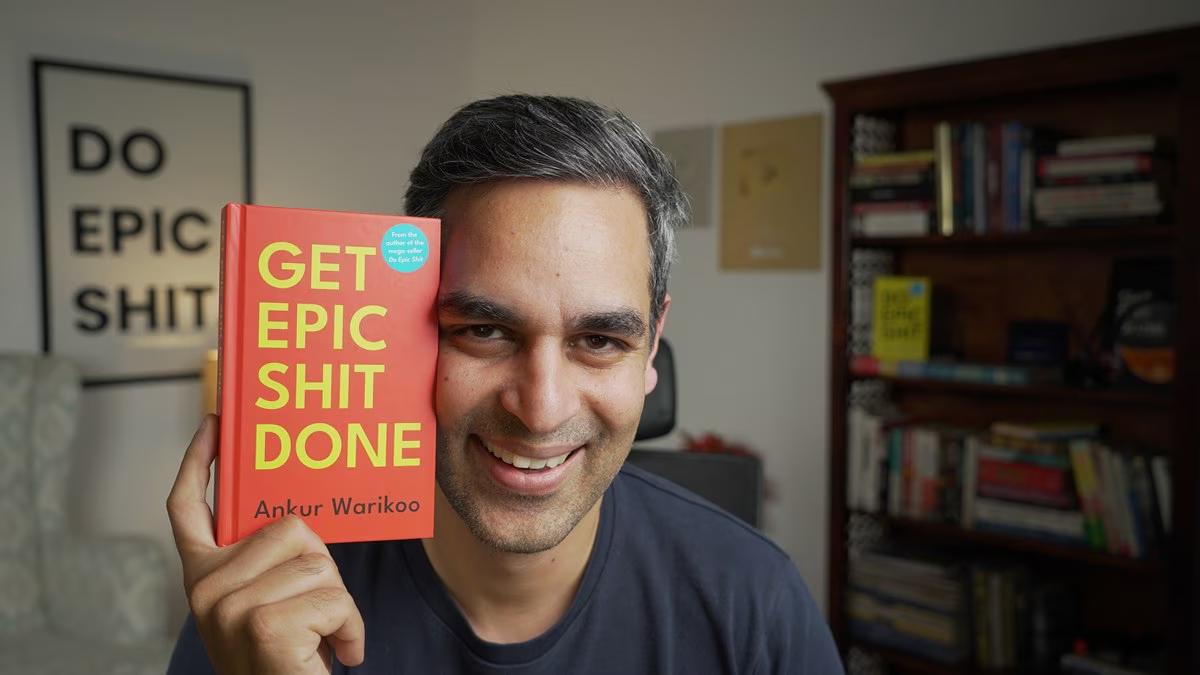
In our latest blog post, we explain the controversy surrounding Ankur Warikoo books and ghostwriting.
Ankur Warikoo, known for his bestselling books like Do Epic Shit and Get Epic Shit Done, recently found himself at the center of controversy after writer Nishtha Gehija claimed she ghostwrote one of his books. The revelation sparked widespread debate on the ethics of ghostwriting, raising questions about authenticity in publishing.
While some were surprised, others were curious about how the process works and whether this diminishes the credibility of Ankur Warikoo books.
What Exactly Happened?
The controversy began when Nishtha Gehija shared a LinkedIn post claiming, “I wrote Ankur Warikoo’s second book in less than 3 months.” Her post aimed to inspire other writers by highlighting how she managed to complete the project alongside her full-time job. However, the statement led to confusion among readers who assumed Warikoo had little involvement in his own book’s creation.
Warikoo quickly addressed the matter with his signature humor. “Nishtha is lying in her post. She didn’t write my second book. She wrote the first one as well,” he responded. His lighthearted clarification emphasized that the involvement of a ghostwriter was no secret, and Gehija was credited in his acknowledgments. This raised a broader conversation about the role of ghostwriters in crafting Ankur Warikoo books and others like them.
(Source)
How Does Ghostwriting Work?
Ghostwriting is a common practice in publishing, especially for non-fiction works. It involves a professional writer creating content on behalf of someone else, who is then credited as the author. This is particularly useful for entrepreneurs, influencers, and public figures who may have valuable insights but lack the time or expertise to write a book themselves.

In cases like Ankur Warikoo books, ghostwriters work closely with the author to ensure the final product reflects their ideas, voice, and personality. The author provides the core concepts, anecdotes, and themes, while the ghostwriter translates them into compelling narratives. This collaborative process ensures that the book maintains authenticity even if the credited author isn’t the primary writer.
Why Announce It Now?
Many wonder why Gehija chose to announce her involvement now, long after the book’s release. Several factors could explain this:
- Professional Recognition: Publicly sharing her work on Ankur Warikoo books allows Gehija to build her portfolio, demonstrating her ability to handle high-profile clients.
- Inspiration for Others: By revealing that she managed to ghostwrite while working full-time, Gehija hopes to motivate aspiring writers.
- Transparency in Publishing: In a world where readers appreciate behind-the-scenes insights, such announcements foster trust and offer a glimpse into the collaborative nature of book publishing.
Is Warikoo in the Wrong?
The question many are asking is: Does the use of a ghostwriter diminish the value of Ankur Warikoo books? The answer is no. Ghostwriting is an accepted and respected part of the publishing industry. What matters most is that the ideas, experiences, and core messages originate from the author, even if the writing is outsourced.

Warikoo’s openness about Gehija’s contributions reflects integrity rather than deception. By including her name in the acknowledgments, he acknowledged the partnership, ensuring transparency. Readers are ultimately drawn to Ankur Warikoo books for their insights, regardless of who physically types the words.
The Bigger Picture
Ghostwriting plays a vital role in modern publishing, allowing thought leaders to share knowledge and expand their reach. Without it, many influential books might never see the light of day. Far from being a shortcut, ghostwriting often involves hours of collaboration, interviews, and revisions to ensure the final product feels authentic to the credited author’s voice.

For authors, this controversy highlights the importance of being transparent about collaborations. For readers, it’s a reminder that the value of a book lies in the ideas and messages it conveys—not just in who wrote every word.
Conclusion
While the debate around Ankur Warikoo books and ghostwriting continues, one thing is clear: collaborative writing is a powerful tool that brings valuable stories to life.
As Warikoo’s books continue to inspire, it’s evident that the insights he shares—regardless of who pens them—resonate with readers across the globe.Gehija’s writing expertise has resulted in works that continue to inspire and guide readers worldwide.
Looking for a ghostwriter? Connect with us today!

Leave a Reply