
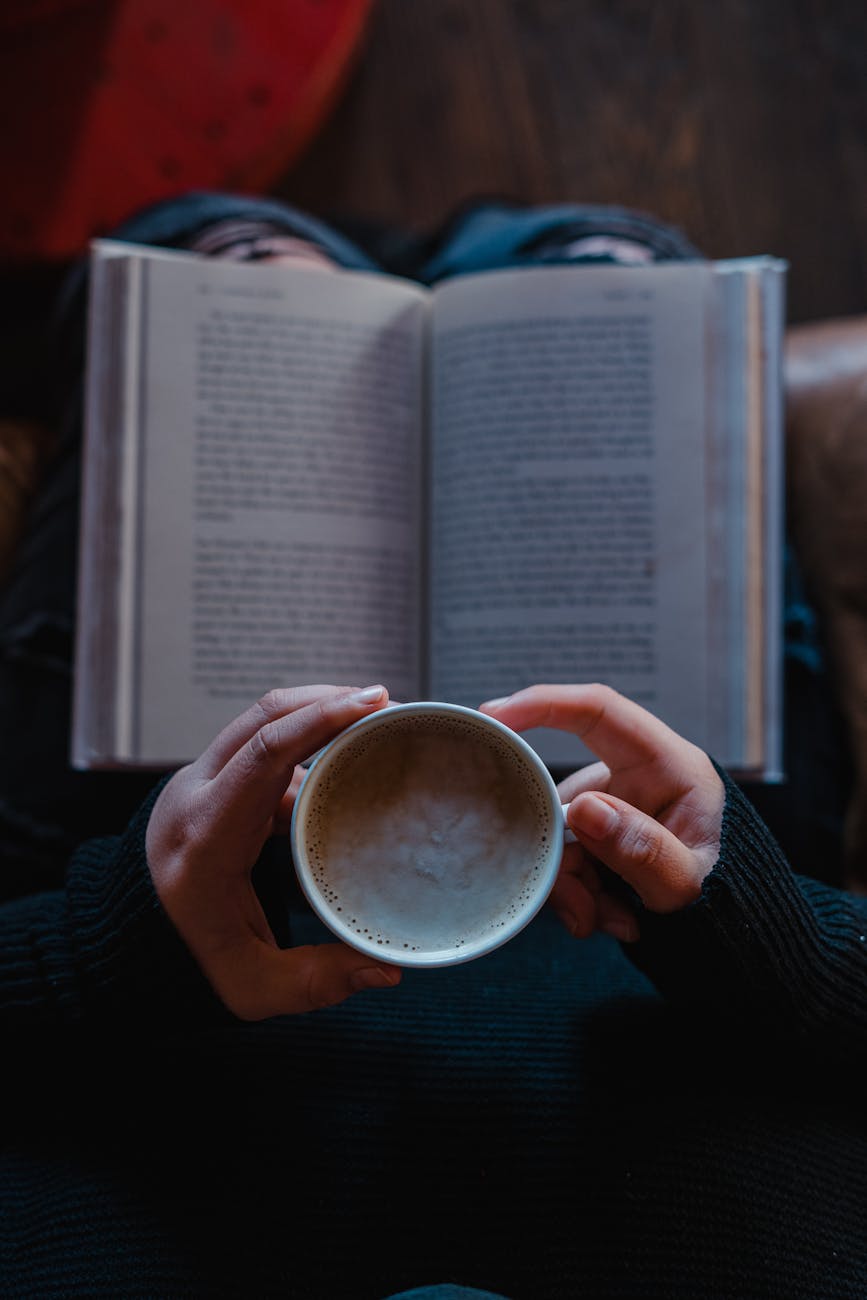
In this blogpost, we share how to read as a writer and why it matters.
Most writers love reading. That’s often where the journey begins. A book that stayed with you, a sentence that lingered, a voice that made you think, I want to do this too.
But reading as a writer is different from reading purely for pleasure. It’s more attentive, more curious, and sometimes even a little uncomfortable. Instead of getting lost in the story alone, you start noticing how the story works.
For Indian writers navigating publishing, submissions, or self-publishing, learning how to read as a writer is essential.
Reading as a Writer vs Reading as a Reader

Before we talk about how to read a writer, we need to understand the difference between reading as a writer and reading as a reader. When you read as a reader, you ask:
- Did I enjoy this book?
- Did the story move me?
- Would I recommend it?
When you read as a writer, you ask:
- Why did this chapter work?
- Why did this scene feel slow?
- How did the author introduce conflict so early?
- Why did I stop reading at this point?
Neither approach is better, but writers need both. Reading only as a reader can make you a fan. Reading as a writer helps you become better at the craft.
Why Reading as a Writer Is Crucial

It Improves Your Craft Without Formal Training
Not every writer in India has access to MFA programs or expensive workshops. Reading closely becomes your most affordable writing education. And that is where you need to understand how to read as a writer. By studying published books, you learn:
- Structure and pacing
- Dialogue rhythms
- Character development
- How scenes open and close
Books become your teachers.
It Helps You Understand What Gets Published
If you want to publish in India (traditionally or independently), you must understand what editors, agents, and readers are responding to now.
Reading contemporary Indian writing helps you:
- Identify recurring themes
- Understand market expectations
- See how cultural context is handled
- Recognise genre boundaries and innovations
This means being informed.
It Sharpens Your Editing Skills
How to read as a writer also means training your eye to notice weak writing in others’ books. Eventually, you will start spotting similar issues in your own drafts.
You will become better at noticing:
- Overwritten descriptions
- Flat dialogue
- Info-dumping
- Repetitive sentence structures
Good readers make good self-editors.
How to Read as a Writer: A Practical Approach

1. Slow Down (Sometimes)
You don’t need to analyse every book. But pick a few each year to read slowly and intentionally. Pause and ask:
- Why did this opening hook me?
- How did the author introduce the protagonist?
- Where does the tension rise?
Make mental or physical notes.
2. Annotate (If You Can)
Underline passages that:
- Move you emotionally
- Surprise you
- Feel awkward or dull
Ask yourself why they work or don’t. Even a simple note like great opening line builds awareness.
3. Study Structure
Pay attention to:
- Chapter length
- Scene transitions
- How subplots are introduced and resolved
Many Indian writers struggle with pacing. Reading structurally strong books can fix that more effectively than any advice.
4. Observe Dialogue Closely
Dialogue is often where manuscripts fail. While reading, notice:
- How much dialogue vs description is used
- How characters sound distinct
- How information is revealed without sounding forced
Then compare it with your own dialogue.
5. Read Across Genres and Languages
Don’t limit yourself to what you write. If you write literary fiction, read genre fiction. If you write in English, read translations from Indian languages.
Indian literature is multilingual and layered. Reading widely expands your range and sensitivity.
What Indian Writers Should Read More Of

- Contemporary Indian authors (to understand the current ecosystem)
- Translated works from Indian languages
- Debut novels (to see what gets picked up)
- Essays, memoirs, and long-form journalism
Each form teaches something different.
Common Mistakes Writers Make While Reading
- Reading only for comparison
- Avoiding books too similar to their own
- Idolising writers instead of analysing them
- Stopping reading when writing feels hard
Reading should feed your writing, not intimidate it.
Can Reading Too Much Affect Your Voice?
This is a common fear and mostly unfounded. Your voice doesn’t disappear because you read widely. In fact, it becomes clearer. Exposure helps you understand what feels authentic to you and what doesn’t.
Most writers don’t struggle because they read too much. They struggle because they don’t read attentively.
How to Balance Reading and Writing
You don’t need to choose one over the other.
- Read during low-energy moments
- Write during your most focused hours
- Switch modes when you feel stuck
Reading often unlocks writing blocks instead of causing them.
Reading Is Part of the Writing Life
In India, where writing rarely pays immediately and validation comes slowly, reading reminds you why you started.
It keeps you connected to:
- Language
- Storytelling
- Community
- Possibility
Reading as a writer is not about criticism. It’s about curiosity.
If you want to write better, don’t just write more. Start reading better.Because every strong writer is, first and always, a committed reader.
Read with attention. Read with generosity. Read with questions in mind.
At Keemiya Creatives, we specialise in working with authors as they work on their manuscripts in various ways like writing buddy, writing mentorship, beta reading, etc. Write to us today to explore how best we can work together!

Leave a Reply