
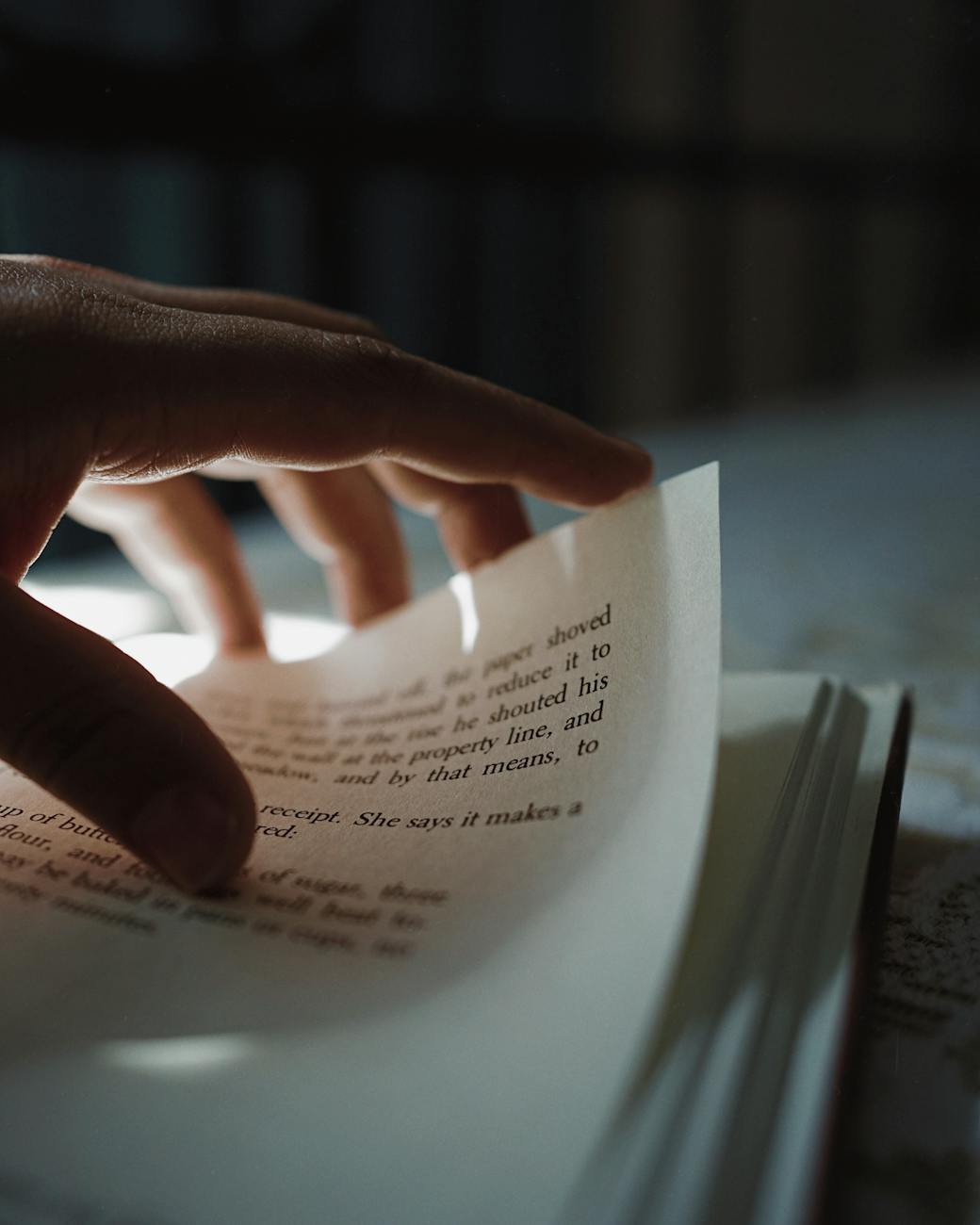
In this blogpost, we explore the oft-given advice- Read More and how reading for authors can help them ace their craft.
Among all the advice given to writers, one suggestion appears so often that it risks sounding obvious: Read more.
For many authors, especially those actively working on a manuscript, this can feel counterintuitive. When time is limited, writing tends to take priority. Reading begins to feel optional, something to return to once the draft is done.
But the relationship between reading and writing is not sequential. It is deeply interconnected. For anyone serious about writing, reading for authors is not a side activity. It is part of the craft itself.
Why Reading for Authors Is Non-Negotiable

At its core, writing is an act of creating something new. But that newness does not come from isolation. It comes from immersion and exposure to different voices, styles, structures, and ways of thinking.
When authors read regularly, they are not just consuming stories. They are:
- Understanding how narratives are built
- Observing what works (and what doesn’t)
- Absorbing rhythm, tone, and pacing
- Expanding their sense of possibility
Without this input, writing can quickly become repetitive or limited by one’s own patterns. In that sense, reading for authors is less about inspiration and more about expansion.
What Happens When Authors Read
The impact of reading is not always immediate, but it is cumulative. Over time, it begins to shape how an author approaches their own work.
1. You Develop an Instinct for Structure
When you read widely, you begin to notice how stories are constructed.
- Where does the story begin?
- How is tension introduced?
- When does the pace slow down or accelerate?
You may not consciously analyse every book, but your mind starts recognising patterns. This builds an intuitive understanding of structure that is difficult to develop through writing alone.
2. Your Language Becomes More Flexible
Every author has a natural writing style. But without exposure to other voices, that style can become rigid.
Reading introduces you to:
- Different sentence rhythms
- Varied narrative voices
- New ways of describing familiar experiences
Over time, this allows your own writing to become more adaptable and nuanced. For Indian authors, this is particularly valuable. Writing in or across languages, navigating cultural context, and balancing accessibility with authenticity benefits from diverse reading.
3. You Learn What Resonates With Readers
Reading places you in the position of a reader, which is easy to forget when you are constantly writing.
As you read, you begin to notice:
- What holds your attention
- Where you lose interest
- Which characters feel real
- Which moments stay with you
This awareness directly influences your writing decisions.
It helps answer an important question: “How will someone experience this story?”
4. You Expand Your Creative Range
One of the biggest advantages of reading for authors is that it pushes you beyond your comfort zone. Writers often stay within familiar genres or themes. Reading outside those boundaries introduces new possibilities.
- A literary novel may influence how you approach character depth
- A thriller may sharpen your sense of pacing
- Poetry may change how you think about language
These influences don’t make your work derivative. They make it richer.
Recommended Read: Can you Learn how to Write?
The Risk of Not Reading

Many writers go through phases where they stop reading altogether, often in the name of protecting their originality. The intention is understandable, but the outcome can be limiting.
Without reading:
- Writing can become repetitive
- Ideas may feel narrower
- Craft development slows down
- You lose touch with what is being published and read
In the Indian publishing context, where the landscape is evolving rapidly across genres and languages, staying disconnected from reading also means losing awareness of the market.
Reading for Authors in the Indian Context

Reading for authors carries an additional layer of importance. We are writing within a space that is:
- Multilingual
- Culturally layered
- Rapidly changing in terms of readership
Engaging with books across Indian authors, translations, and global writing helps build a broader understanding of where your work fits. It also helps bridge a gap that many writers experience, between what they want to say and how effectively they are able to say it.
Reading does not solve this gap instantly, but it steadily reduces it.
How Reading Shapes Your Writing Over Time
The impact of reading is often subtle. You may not notice it immediately after finishing a book. But over weeks and months, patterns begin to emerge:
- Your sentences become more controlled
- Your characters gain depth
- Your pacing improves
- Your confidence increases
Most importantly, you begin to trust your instincts more. This is because those instincts are no longer operating in isolation. They are informed by everything you have read.
Reading With Intent (And Without Pressure)
Reading for authors needs to be with intent and without pressure. There is often pressure around how authors should read.
Read classics. Read widely. Read critically.
While all of this has value, it can also make reading feel like a task. A more sustainable approach to reading for authors is balance.
- Read within your genre to understand conventions
- Read outside your genre to expand perspective
- Read both Indian and international authors
- Allow yourself to read for pleasure as well as learning
Not every book needs to be analysed. Some simply need to be experienced.

If you have already explored the idea of how to read like a writer, this becomes the next layer. Before analysing how something is written, you need to build the habit of reading consistently. Because without volume, analysis becomes limited. And without engagement, reading becomes mechanical.
Recommended Read: How to Read as a Writer

At Keemiya Creatives, we often work with authors who feel stuck in their writing process. In many cases, one of the first questions we ask is simple:
“What have you been reading?”
Because more often than not, the answer reveals a gap.
Through our editorial and mentorship work, we help authors not just improve their manuscripts, but also build stronger reading and writing practices that support long-term growth.
If you are working on your writing and feel like something isn’t quite clicking, it might not always be a writing problem. Sometimes, it begins with reading.

Leave a Reply